Hand Care Routine: The Micro-Application Strategy for Restored Skin
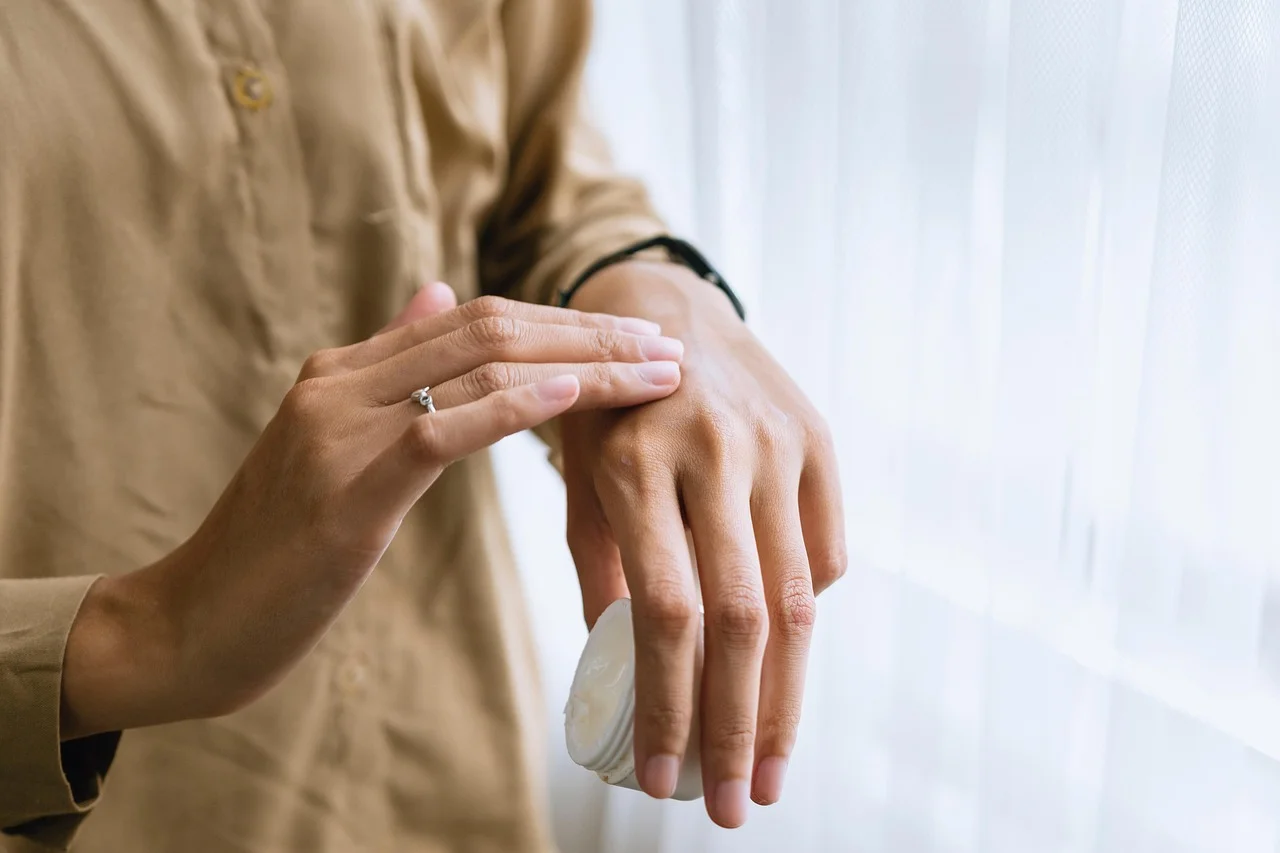
Why Does a Single Morning Moisturizing Session Fall Short?
The traditional approach to body moisturizing often comes down to a single step: a generous application in the morning after a shower. Yet, when it comes to our hands, this method quickly reveals its limits. That tight, dry feeling can return by mid-afternoon, leaving a lingering sense of discomfort. This isn't due to the ineffectiveness of your chosen skincare product, but rather a mismatch between skin physiology and the pace of our daily activities.
Rather than relying on occasional, intense hydration, protecting your skin requires a "micro-application" strategy. This method helps offset the constant wear and tear on your lipid barrier caused by daily washing habits. Adopting this steady rhythm transforms an often-overlooked beauty step into a true skin health regimen, helping to maintain comfort and suppleness against repeated daily stress.
Key Takeaways for Hand Care
- Frequency is paramount: It is generally recommended to apply a dab of product after every wash to maintain the hydrolipidic film—an approach often deemed more effective than a single thick layer in the morning.
- Specific biology: The back of the hands is particularly thin, requiring formulations capable of restoring the lipid barrier compromised by soaps.
- The importance of texture: Alternate between lightweight daytime lotions that won't hinder your activities, and rich nighttime balms for deep repair.
- Building the habit: Keeping a hand cream near every sink makes it easier to seamlessly weave these quick applications into your daily life.
- An invisible shield: Incorporating SPF preserves the skin from long-term photoaging.
Why Does Hand Anatomy Make Them So Fragile?
Unlike the skin on your stomach or thighs, the protective envelope of our hands has a highly unique architecture that leaves it more vulnerable. Anatomically, the skin on the back of the hands is thinner and has less adipose tissue (fat) than other body parts, which explains why dryness and signs of aging often appear there first.
The Impact of Frequent Washing
Compounding this baseline structural fragility is intense mechanical and chemical stress. Our hands are our primary tools for interacting with the outside world. They are washed and dried numerous times a day. Each wash inevitably strips away a bit of hydration and comfort. Hot water, combined with the surfactants found in soaps, gradually dissolves the skin's natural hydrolipidic film.
An Area Lacking Reserves
This constant cleaning leaves the epidermis vulnerable. Lacking the fatty tissue that serves as a cushion and hydration reservoir elsewhere on the body, the back of the hands doesn't have the resources to heal itself quickly. Micro-tears set in. Without targeted external intervention to rebuild this protective barrier, the skin wrinkles, loses elasticity, and dries out as the day goes on.
Why Do Regular Micro-Applications Beat the Intensity of a Single Treatment?
Faced with this ongoing moisture loss, the most common mistake is relying on a single application of an ultra-rich cream, hoping it will act as a lasting shield. A cream used only once a day simply cannot keep pace with hands that are washed six or seven times daily.
The Reapplication Rule
The micro-application principle rests on a very simple concept: you must replace what has been stripped away the exact moment the loss occurs. The easiest rule of thumb is to reapply hand cream every time you wash and dry your hands. This systematic routine prevents the epidermis from spending hours in a vulnerable state.
Simplifying Your Environment to Solidify the Habit
The biggest obstacle to this consistency isn't a lack of time, but the absence of a visual cue. It's unrealistic to expect yourself to dig a hand cream out of a drawer after every trip to the sink. To cement the habit, keep a tube next to every sink and another in your bag. This spatial organization turns the application into a conditioned reflex, as automatic as drying your hands.
What Biochemical Pillars Should You Look For in a Hand Care Product?
A repeated habit is only beneficial if the applied formula provides the molecules necessary for skin restoration.
Humectants to Draw in Water
The first step is pulling ambient moisture into the stratum corneum. To achieve this, labs rely on hygroscopic ingredients. Glycerin is a humectant renowned for its hydrating properties: it helps draw moisture into the skin. Additionally, topically applied hyaluronic acid acts as a humectant that helps lock water onto the skin's surface, delivering superficial hydration that temporarily plumps and smooths the skin.
Emollients to Soften
Once water is drawn in, the rough surface of the epidermis needs softening. This is where plant-based fats step in, filling the gaps between dehydrated corneocytes. Shea butter is a deeply comforting emollient that softens the skin, leaving hands smooth. Its rich texture provides instant relief by curbing that tight, uncomfortable feeling.
Repairing Agents and Antioxidants to Protect
Finally, to fortify the foundation of the epidermis against frequent handwashing, specific active ingredients come into play. Ceramides are known to reinforce the skin's lipid barrier, protecting and hydrating hands exposed to environmental stressors. The preventive side of things is handled by free radical-neutralizing molecules: when applied topically, Coenzyme Q10 (ubiquinone) helps shield the superficial layers of the skin from oxidative damage.
Lotion, SPF Cream, or Repair Balm: How Do You Choose the Right Texture?
Choosing a texture is more than just a matter of cosmetic preference. It should align with what you plan to do in the minutes immediately following application. A hand balm isn't inherently better than a cream; it is simply richer. It is best suited for very dry skin and nighttime care, whereas a lighter lotion is ideal for daytime use.
| Recommended Format | Texture and Absorption | Ideal Timing | Primary Biological Function |
|---|---|---|---|
| Fluid Lotion | Lightweight, instant absorption with no greasy residue | During the day, after every wash | Rapid rehydration driven by humectants (hyaluronic acid, glycerin) |
| SPF Cream | Medium richness, leaves a light protective film | In the morning, before heading out | Protection against photoaging and prevention of dark spots |
| Repair Balm | Thick, creamy, slow-absorbing | At night or as an emergency treatment | Intensive restoration of the lipid barrier (ceramides, shea butter) |
Sun protection deserves special attention. Applying daily SPF to the back of the hands is one of the most beneficial long-term habits you can adopt. It blends into your morning routine in just seconds, acting as an essential shield against skin photoaging.
How to Build a Quick Micro-Application Routine
Translating these theoretical principles into a sustainable habit doesn't require lengthy, complicated rituals. An effective routine takes only a few brief moments scattered throughout your day. Success relies on short, strategically placed windows of action.
Morning and Daytime: Protection and Targeting
The protocol begins with your morning prep: applying sunscreen. Then, throughout the day, maintenance takes over. To optimize application, the product should be massaged into the cuticles and the back of the hands, not just the palms. It is best applied to slightly damp skin to enhance absorption. This targeted technique ensures the thinnest areas receive the active ingredients, while keeping your palms from getting slippery when handling objects.
Nighttime: Overnight Repair
The end of the day signals a switch in product format. It is highly recommended to apply a more generous layer at night. Since nothing will wash it off, your hands can fully absorb the product while you sleep.
Weekly Care
To complement these brief daily actions, a slightly more intensive treatment is periodically necessary. Once a week, treat your hands to a little extra care with a hand mask or a gentle scrub. This supplementary step clears away dead skin cells, paving the way for better product absorption during your daily micro-applications.
Frequently Asked Questions (FAQ) About Hand Care
How do I manage application if I type on a keyboard all day?
Dealing with greasy palms is often what stops people from reapplying. The trick is to dab a small amount of lightweight lotion exclusively onto the back of one hand. Then, use the back of your other hand to rub the product in by rubbing them together. This leaves your palms completely dry and ready to get right back to the keyboard.
What should I do if my hands are deeply chapped or painful?
When the skin barrier is already compromised, certain lotions can cause stinging. Temporarily switch to a balm formula, even during the day, to seal micro-wounds from the air. If open cracks bleed or feel warm to the touch, cosmetics have reached their limit, and you should seek advice from a healthcare professional.
Why Is Skin Comfort a Long-Term Commitment?
Adopting a micro-application strategy completely shifts our relationship with skin comfort. This method proves that epidermal resilience relies less on the sheer power of an occasional cosmetic treatment, and more on a steady, protective presence. Safeguarding your hands with such diligence isn't just about immediate softness; it serves as vital support for the skin's delicate balance. By consistently countering environmental stressors, we give our cells the stable environment they need to help prevent oxidative damage and the premature aging of our hands.