The 5-Step Biomimetic Lip Care Routine for Endlessly Soft Lips

Key Takeaways:
- The lips have an exceptionally thin skin barrier and produce little to no sebum.
- A biomimetic routine aims to artificially recreate this natural protection.
- The approach relies on gentle cleansing, moderate exfoliation, deep hydration, lipid sealing, and sun protection.
As winter approaches and the air grows dry, the same old cycle begins anew: frantically applying lip balm with no real relief. Assuming a simple layer of grease is enough to repair chapped lips is an incomplete approach. Damaged lip skin doesn't just need a temporary cosmetic fix; it requires a genuine biological reconstruction of its protective barrier.
This fundamental need explains the rise of the biomimetic skincare routine, structured with meticulous precision. The goal is no longer to passively coat the lips, but to artificially recreate the physiological mechanisms that this highly specific facial zone lacks naturally.
By adopting this care protocol, from preparation through to nighttime sealing, it becomes possible to significantly improve skin comfort. This gentle, systematic approach anticipates damage before it sets in, aiming to provide a lasting solution to feelings of tightness and discomfort.
The Anatomy of Fragility: The Biological Deficit of the Lips
To understand the need for a dedicated routine, we must first look at the unique structure of labial tissue. This area is characterized by an inherent biological vulnerability, leaving it ill-equipped to fend for itself against climatic shifts.
Extreme Structural Thinness
The first fragility is purely anatomical. The skin on the lips is much thinner than the rest of the face: the vermilion has a lightly keratinized epithelium with significantly fewer cellular layers than the surrounding epidermis. This stark difference in thickness makes it instantly more susceptible to environmental damage and drastically accelerates moisture loss.
Highly Limited Sebum Production
Compounding this thinness is a second major challenge: the lip vermilion lacks standard, independent sebaceous glands (though ectopic sebaceous glands, or Fordyce spots, are often present), and therefore produces little to no natural oils. Without this essential sebum to lubricate and soften the surface, the mouth becomes highly sensitive to daily external aggressors.
A Highly Permeable Barrier
The combination of these two factors creates a critical environment. The skin barrier of the lips remains incredibly delicate, leading to a higher rate of transepidermal water loss. Without outside intervention, this permeability translates to weaker protection against the cold, dry air, UV radiation, and urban pollution.
Step 1: Prep Cleansing (Without Thermal Stress)
The first step of an effective biomimetic routine begins right when you wake up. The objective is to rid the labial surface of overnight impurities without triggering the slightest moisture stress.
Strict Temperature Control
Your morning cleanse calls for a delicate touch. According to recommendations from Reviva Labs, the routine starts by gently rinsing the lips with lukewarm water during your overall facial cleanse. Using hot water is a common mistake; it strips residual moisture from the skin and should be avoided to prevent weakening those already thin cellular layers.
Drying Technique
Once the skin is clean, the drying method plays an equally protective role. After cleansing, you should pat your lips dry rather than vigorously rubbing them with a towel.
- The habit to break: Mechanical friction, which strips away flakes prematurely.
- The habit to adopt: Lightly pressing with a clean cloth to absorb excess water without irritating the barrier.
Step 2: Controlled Resurfacing (Chemical or Mechanical Exfoliation)
Removing the layer of dead skin cells is essential for the absorption of subsequent treatments, but the process must respect the area's thinness.
Moderation as the Golden Rule
Lip exfoliation must always remain gentle. The experts at Peach & Lily emphasize that a sugar-based scrub or a mild peeling gel removes flakes without irritation, prepping the lips to absorb subsequent treatments. The ideal frequency is strictly capped: it is recommended to exfoliate no more than once or twice a week.
The risks of an overly aggressive approach are real. The Ordinary warns that over-exfoliating can trigger further dryness and discomfort. The routine should remain simple and intentional, using just one effective formulation per step.
Steps 3 & 4: Deep Hydration and Biomimetic Sealing
The core of the biomimetic protocol relies on a fundamental biochemical distinction: supplying water is not the same as retaining it. Slathering a greasy balm over totally dehydrated lips is a common mistake that offers nothing more than an illusion of hydration.
Step 3: Deep Hydration Supply (Serum)
Before sealing, you must replenish the skin's water levels to support hydration. Drawing inspiration from the meticulous nature of Asian skincare, the deep hydration step relies on enriched serums or ampoules. Incorporating ingredients like hyaluronic acid helps draw water into the superficial layers, while centella asiatica provides a soothing effect and ceramides bolster the lipid barrier.
Step 4: Lipid Sealing (Occlusive Balm)
Once hydration is restored, it is crucial to recreate a protective barrier to lock that moisture in. This sealing happens in two stages using fatty substances:
- Nourishment via oils: Castor oil, olive oil, or plant-based butters replenish the skin's suppleness and contribute to surface hydration.
- Occlusion via waxes: Ingredients like beeswax form an occlusive barrier that slows down transepidermal water loss.
This synergy is designed to drastically slow water loss, locking in the benefits of the previously applied serum.
Step 5: Daytime Protection (UV) and Night Mask (Regeneration)
The final step of the protocol adapts to the cycle of the day, providing a shield against daytime aggressors and promoting healing while you sleep.
The Daytime Shield and Sun Damage
The sun is a major drying factor for the lips. For individuals with fair to medium phototypes, the lips contain less melanin than facial skin, leaving them far less protected from sun damage. The reality is clear: repeated sun exposure contributes to dryness, discoloration, and a rough surface texture.
Despite this high risk, many people never apply sun protection to this area. Incorporating an SPF-infused lip balm during the day is highly recommended to limit cellular degradation.
Intensive Nighttime Regeneration
Nighttime calls for a more enveloping approach to help repair daytime micro-lesions. In the evening, you should start by removing your lipstick, sunscreen, and any lingering urban residues.
Once the area is clean, it is best to apply a richer treatment or an overnight lip mask. This targeted care should feature nourishing oils, antioxidants, and dense occlusive ingredients that lock in moisture throughout your sleep cycle.
FAQ: Managing the Daily Aggressions of Makeup and the Environment
Why does licking your lips make things worse?
It's a natural reflex to moisten dry lips, but it is highly counterproductive. Saliva evaporates very quickly, pulling moisture right out of the skin's surface. As a result, the lips become even drier than before, which unfortunately makes you want to lick them again, creating an endless cycle of dehydration.
How can you wear matte lipstick without damaging your skin?
Highly pigmented formulas pose a real challenge. Matte and long-wear lipsticks often contain ingredients that dry out the epidermis. To get around this issue:
- Apply a nourishing lip balm before your lipstick to create a protective layer.
- Gently remove your makeup at the end of the day to ensure stubborn residues don't irritate the skin overnight.
How can you protect your lips during a flight?
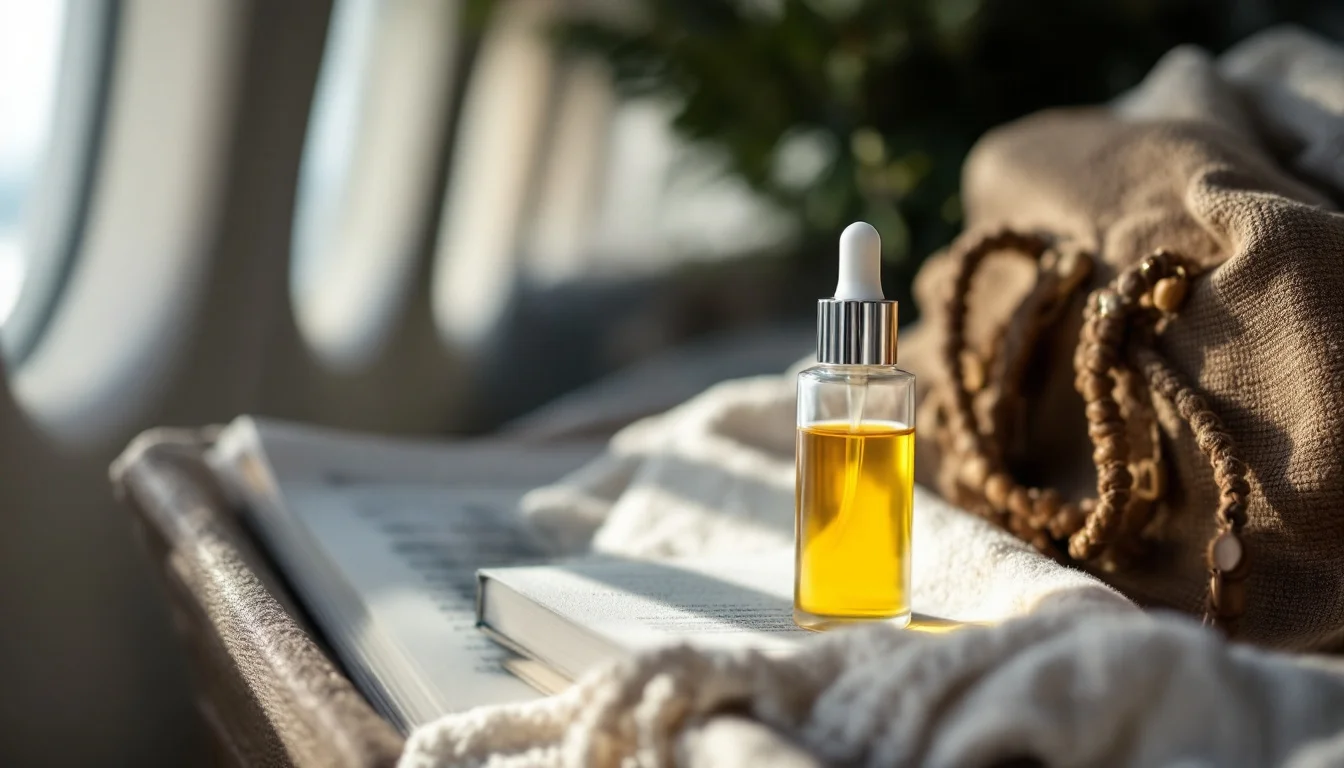
Air travel is particularly harsh on the skin barrier. Airplane cabins maintain remarkably low humidity levels. It is wise to apply balm generously even before boarding, and then reapply throughout the flight to help prevent severe dryness caused by the air conditioning.
Conclusion: Toward Better Skin Barrier Resilience
Adopting this targeted protocol transforms the way we care for this delicate area, shifting from simple emergency triage to a truly preventative approach. By compensating for anatomical vulnerabilities and the thinness of cellular layers, the lips gain a newfound resilience against daily aggressors. This consistency in deep hydration and occlusive sealing aims to elevate everyday comfort, helping to significantly reduce feelings of tightness.