How to Choose and Use an Anti-Chafing Balm for Everyday Irritation
Human skin is a marvel of adaptation, but it has its limits when subjected to repeated physical stress. Rubbing leads to skin irritation caused by continuous mechanical friction. This friction-induced irritation, widely known as chafing, is all too often confused with a simple case of dry skin. However, the two phenomena are fundamentally different.
According to sports skincare experts, this occurs when the epidermis repeatedly rubs against itself or clothing. This action generates friction, which develops into irritation and, ultimately, painful discomfort. Faced with this purely mechanical stress, traditional daily moisturizers fall short during continuous physical exertion.
For The Baalm readers seeking long-lasting solutions, the key lies in adopting a "glide barrier." This involves using a physical shield capable of withstanding continuous friction, whether you're navigating a city walk or powering through a long workday.
Key Takeaways
- Mechanical origins: Chafing isn't tied to weight, but rather to repeated friction that attacks the epidermis.
- The invisible enemy: Moisture and sweat act as catalysts for irritation on hot days.
- Targeted solutions: Balms and sticks create a protective barrier and can be better suited for prolonged use than petroleum jelly, depending on your skin type.
- The role of clothing: Moisture-wicking technical fabrics serve as the first line of defense against fabric-induced friction.
Busting the Myth: Who Actually Gets Chafing?
One of the most persistent misconceptions in body care is exclusively linking skin chafing to being overweight. It's time to set the record straight. According to the specialist brand Chassis, thigh chafing is by no means an indicator of weight. This annoyance affects people of all sizes and body types because it is, first and foremost, a universal issue of mechanical friction.
Mapping the Danger Zones
While long-distance runners are well-acquainted with this issue, their complaints help us map out the most vulnerable areas. The anti-chafing guide from the sports app Runna identifies the most common friction zones:
- The inner thighs, which remain the most common complaint.
- The nipples.
- The armpits and underarms.
- The band and straps of sports bras.
- The waistband and groin area.
From the Gym to the Office: The Same Stress
Chafing is a universal problem. Bra straps digging into your shoulders or a trouser seam rubbing against your groin subject the skin to a continuous cycle of micro-aggressions.
The Anatomy of Irritation: The Sweat and Salt Trap
To effectively prevent redness, you first need to understand how the skin's immediate environment exacerbates chafing. Moisture plays the role of a formidable catalyst.
The Abrasive Effect of Salt Crystals
According to published studies, the mechanics of irritation kick into high gear in hot and humid weather. When temperatures rise, the body inevitably sweats more to regulate its heat. The problem arises when this moisture evaporates. As sweat dries, it leaves behind salty residue on the skin's surface.
Microscopic Sandpaper
According to numerous sports sources, the accumulation of this residue can significantly increase friction. To counteract this specific abrasive effect, experts recommend applying a thicker layer of protective product, reapplying the solution during prolonged efforts, and prioritizing balms specifically designed to be sweat-resistant.
Comparing Anti-Chafing Formats
This comparison helps evaluate the options available for protecting your skin on a daily basis.
| Protection Format | How It Works | Ideal Context | Limits and Precautions |
|---|---|---|---|
| Balm and Stick | Forms a smooth barrier containing soothing active ingredients | Everyday use, walking, moderate sports | May require reapplication during very long efforts |
| Petroleum Jelly | Creates a quick occlusive film | Emergency or short-term protection, budget-friendly alternative | While non-comedogenic, its greasy and occlusive texture can be uncomfortable |
| Powder | Absorbs excess moisture to keep the area dry | Heavy sweating, skin folds | Less effective on its own against strong mechanical friction |
| Technical Fabrics | Prevents fabric from moving against the skin and wicks away moisture | Daily base layers, sustained effort | Does not protect skin-to-skin contact zones |
Balms and Sticks: The Complete Solution
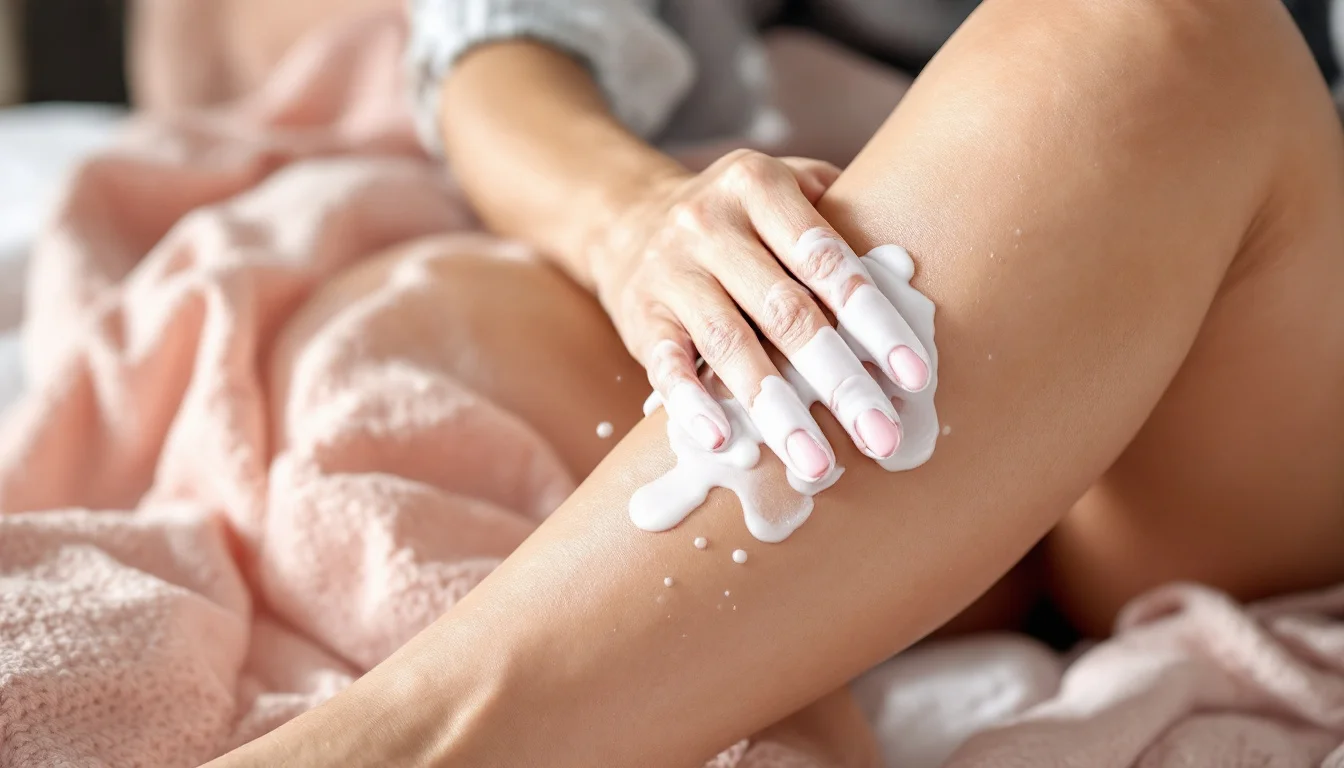
Anti-chafing balms, creams, and sticks stand out by forming a smooth, protective barrier on the skin that reduces friction and soothes irritation. They often contain hydrating and calming ingredients, such as natural oils or shea butter.
Petroleum Jelly: A Conditional Quick Fix
Often cited as a fast-acting and budget-friendly alternative, petroleum jelly is a popular low-cost option. However, although classically recognized as non-comedogenic in dermatology, its highly greasy and occlusive texture can feel uncomfortable—making it less suited for universal use.
The Crucial Role of Fabrics
According to experts, your choice of clothing often matters more than the skincare product itself. While seamless designs reduce local friction points, overly tight clothes can create continuous pressure and friction depending on the material. For intense physical efforts, it's best to prioritize moisture-wicking technical fabrics and avoid cotton, which traps sweat. Nevertheless, some cotton garments remain perfectly fine for low-intensity activities, especially since certain synthetic fabrics can themselves trigger irritation or allergic reactions in some individuals.
Ingredients: What to Look For on the Label
An anti-chafing product's formulation determines its ability to provide glide and protect the epidermis.
Fatty Acids in Action
The product details for a 25 ml anti-chafing stick balm distributed by the retailer Runner's Lab highlight a formula rich in fatty acids. According to the manufacturer's description, these compounds form a lubricating film to reduce friction. Note that this is a claim made by the manufacturer/retailer, rather than independent clinical data.
The Importance of Active Soothing
Beyond mechanical prevention, a good balm should incorporate restorative agents. For example, products often highlight the presence of allantoin in their formulation, described by retailers as a soothing ingredient that reduces redness. By seeking out products that combine natural oils, shea butter, and allantoin, you ensure a level of protection that has been well-proven by countless users.
The Art of Application: Thin Layer or Generous Coating?
Once you've selected the right product, its effectiveness comes down to your application method.
The Thin Layer Method for Everyday Use
On one hand, usage instructions for balms often recommend applying a thin layer directly to the skin. According to product details, the balm's base is quickly absorbed without clogging pores, while the protective agents remain on the surface to form a water-resistant barrier. This approach is ideal for moderate walking or for use under everyday lingerie.
The Generous Coating Method for High Intensity
Conversely, other manufacturers recommend applying the product generously to perfectly clean, dry skin—strictly before exposure to the source of friction. Additionally, other sources note that in extreme heat, it's beneficial to apply more product and reapply regularly.
The Golden Rule: Adapt the Dose to the Context
Sources differ on the ideal amount—a thin layer versus a generous application—depending on the context and the product being used. The thickness of the barrier should be proportional to the anticipated level of mechanical stress and moisture. For a normal daily routine, a thin layer is sufficient according to most product guidelines. However, for intense effort or heavy sweating, it's advisable to adopt a hybrid strategy: combine absorbent powders with a generously applied hydrating balm.
Frequently Asked Questions (FAQ): Treatment and Prevention
Should I test a balm before regular use?
Although high-quality balms are formulated for comfort, it is always highly recommended to perform a small patch test on a restricted area before integrating any new cosmetic into your routine. This ensures you don't have an allergic reaction to the natural oils or fatty acids present in the formula.
When should I stop self-treating and see a doctor?
An anti-chafing balm is a preventative solution. It is imperative to consult a healthcare professional if chafing leads to persistent redness, open wounds, or the appearance of signs of infection, such as pus or worsening pain.
Do anti-chafing sticks stain clothing?
This is a legitimate concern, particularly for everyday use under everyday clothes. Unlike a thick layer of petroleum jelly, technical sticks are generally formulated to absorb slightly while leaving a protective film on the surface. To minimize the risk of transfer onto delicate fabrics, it is advisable to apply the product before getting dressed and allow for a brief drying time.
Conclusion: Beyond Cosmetics, Clothing as Care
Managing skin irritation is no longer just about applying an emergency ointment after the pain sets in. True prevention requires a proactive approach, blending the right dosage of protective ingredients with a clear understanding of our environment's impact (moisture, sweat).