How to Use Lip Balm as a Makeup Primer
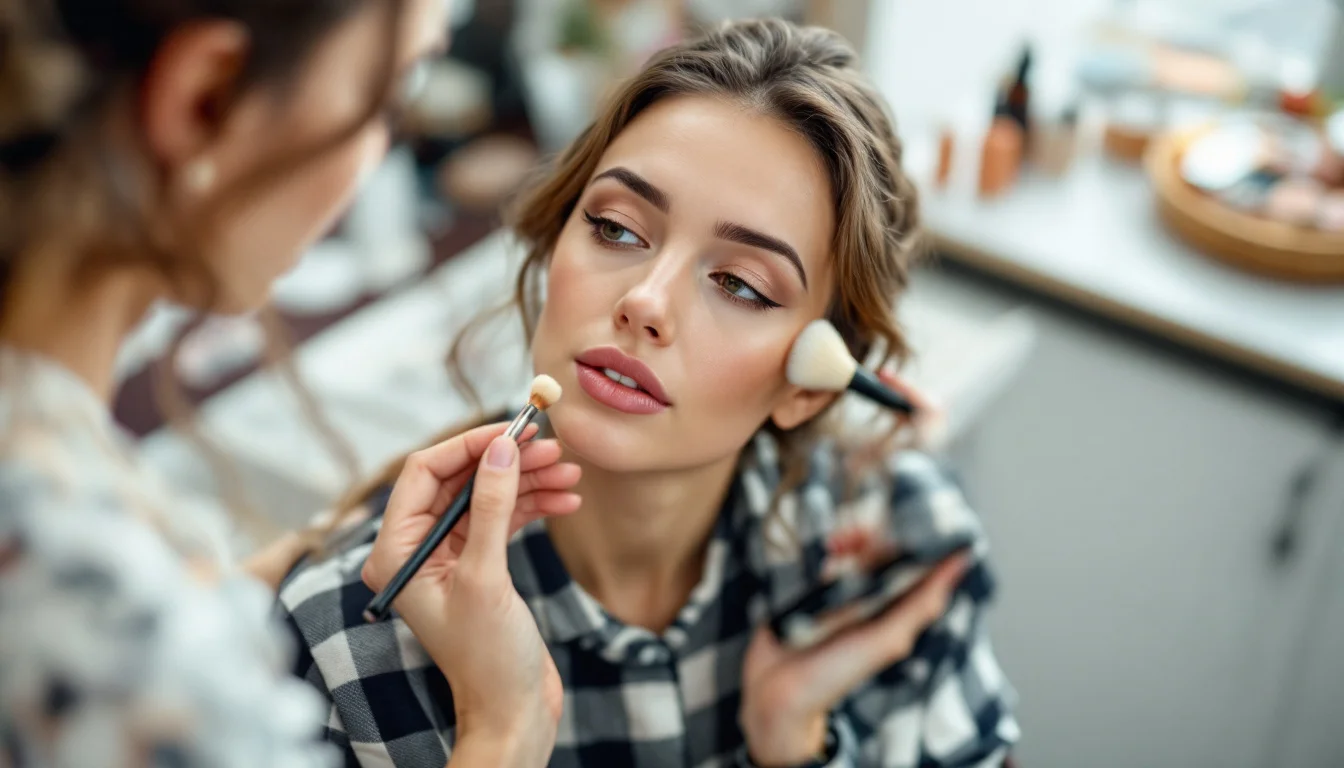
Applying lipstick should be the perfect finishing touch to any beauty routine, bringing radiance and structure to the face. Yet, this step all too often turns into a source of frustration. The product flakes, or worse, leaves the skin uncomfortably dry. This issue isn't necessarily due to the quality of the makeup itself, but rather the lack of a proper foundation.
Relegating lip care strictly to your nighttime routine is a common mistake. A simple prep routine—exfoliating followed by a hydrating balm before applying color—can create a significantly smoother canvas. This process helps extend the wear of your pigment and yields a much more even finish. Transforming a basic lip balm into a stable makeup primer, however, requires mastering the mechanics of layering.
Key Takeaways
- Structural Prep: Exfoliation smooths the surface, but should be done in moderation to avoid irritating the skin.
- Ingredient Selection: A balm rich in moisture-retaining agents is essential under makeup.
- Absorption Time: Letting the product sink in and gently blotting the excess is the secret to preventing color slip.
- The Final Seal: The strategic use of a lip liner, tissues, and setting powder ensures long-lasting pigment.
The Mechanics of Layering: Understanding Your Makeup Foundations
To master layering, it is essential to understand the exact role of every product applied to the skin. In a standard makeup prep routine, the process breaks down into several steps: gentle exfoliation, hydrating balm, primer or concealer (optional), lip liner, and finally, lipstick application. Each step performs a specific mechanical function that paves the way for the next.
The Crucial Role of Exfoliation
The very first step in this layering process relies on exfoliation. This mechanical action removes built-up dead skin cells and smooths out rough patches. Without a clean canvas, lipstick tends to cling to dry spots, resulting in a patchy finish. Sweeping away these flakes allows the color to lay down evenly across the entire lip.
However, moderation is key. Over-exfoliating is counterproductive. Scrubbing too aggressively or too often, especially without considering your individual sensitivity, can irritate delicate tissues or leave lips raw, which completely compromises your makeup application.
Do You Need a Dedicated Lip Primer?
While the beauty industry offers plenty of specialized lip primers, adding a traditional primer or concealer is entirely optional. It isn't strictly necessary for a beautiful result, provided your lips are properly exfoliated and hydrated. Nevertheless, this extra layer can help lipstick apply even more uniformly and last longer under certain conditions.
Incorporating a base like this is especially useful in three scenarios: making bright or intense colors pop, locking down sheer or lightweight formulas that tend to fade quickly, and minimizing the appearance of fine lines around the mouth.
How to Choose the Right Balm as a Base
Not all hydrating formulas are created equal when it comes to sitting under colored pigments. In this context, your lip balm acts as both a protective shield and an anchor for makeup. It shouldn't be too watery or excessively greasy, lest it ruin your careful layering.
Ingredients to Look For
Following exfoliation, it is generally recommended to apply a hydrating lip balm with a specific formulation. For the product to work effectively as a makeup primer, you should seek out active ingredients known for their ability to lock in surface moisture.
Standout ingredients for this job include:
- Hyaluronic Acid: Acting primarily on the surface, it forms a temporary moisture barrier that helps keep lips supple.
- Shea Butter: Delivers deep nourishment while leaving a lightweight protective film.
- Jojoba Oil: Nourishes the lips without weighing them down.
- Vitamin E: Prized for its soothing and antioxidant properties.
A combination of these components can help fend off the dehydration that often accompanies long-wear lipsticks.
How to Stop Lip Balm from Making Your Lipstick Slide
It's a Catch-22: on one hand, lips absolutely crave the nourishment of a rich balm so they don't feel tight and uncomfortable under makeup. On the other, modern matte formulas require a dry, practically oil-free surface to properly grip the skin.
Managing Absorption Time
The first solution to this paradox comes down to patience. After applying your hydrating treatment, it is best to let it sink in for a few minutes. This resting phase allows the active ingredients to properly integrate into the skin's superficial layers rather than just sitting on top.
The Essential Blotting Technique
Once you've given it enough time, it's time for the most crucial step in your prep routine, especially if you're reaching for a matte lipstick. It is highly recommended to blot away any excess balm with a tissue (often simply referred to as blotting).
This gentle action removes the residual greasy film while preserving the hydration that has already sunk in. By performing this light blot before going in with color, you create the ideal texture: the skin remains supple, but the surface becomes just matte enough to prevent your makeup from slipping or bleeding outside the lip line.
The Layering Protocol: From Liner to Final Seal
Once your canvas is perfectly prepped—exfoliated, hydrated, and blotted—the color application can begin. To encourage long-lasting wear and a polished finish, approach the process like building a piece of architecture, step by carefully constructed step.
Structuring the Contour
Ideally, your pigment work should begin with a lip liner. This product does much more than just outline the shape of your mouth. It acts as a physical barrier, stopping the color from bleeding or feathering into fine lines as the day goes on.
Furthermore, a pencil creates a solid base layer that boosts your makeup's grip. The best method is to precisely trace your natural lip line, then lightly hatch and fill in the center of the lips with the pencil. This initial pigmented anchor will make applying the next layer much easier.
The Double-Coat Technique
For extended wear, the lipstick application itself can follow a specific layering technique. This is done in three quick steps:
- Apply an even first coat of lipstick.
- Gently blot this initial layer by softly pressing a tissue between your lips.
- Apply a second coat of color.
That mid-step blot removes the residual oily film from the first coat, leaving behind nothing but a concentrated dose of pigment anchored to the skin before you add your final coverage.
The Ultimate Makeup Seal
The final step in this protocol is to lock everything down for the hours ahead. To maximize staying power, a classic trick is to place a thin tissue directly over your painted lips, then lightly dust a translucent powder over the tissue. The tissue acts as a filter, allowing only the microscopic amount of powder needed to mattify and set the color to pass through.
Alternatively, you can simply mist your entire face with a setting spray once your makeup is complete, locking the pigments in place without dulling their radiance.
Conclusion
The final visual payoff of any colored cosmetic depends largely on the invisible prep work that precedes it. By treating your hydrating lip balm not just as an emergency fix, but as the technical foundation of a thoughtful layering routine, your pigment application gains both precision and durability. It is a method that invites us to rethink our daily habits: ultimately, the art of makeup lies less in the color we add, and more in the texture of the canvas we take the time to cultivate.