Rough Elbows and Knees: Why Body Creams Fail (and How to Repair Your Skin)
Applying a body moisturizer is often a comforting and effective routine, leaving skin supple and soothed. Yet, one frustration frequently arises: the cream seems to work perfectly everywhere, with the notable exception of elbows and knees. On these specific areas, the product provides a fleeting sensation of moisture that vanishes within hours, leaving the skin's surface just as rough as before.
This apparent ineffectiveness isn't due to the quality of your product, but rather the very architecture of your skin. According to experts from the skincare brand CeraVe, the skin on elbows and knees is naturally thicker, with more visible lines and folds. This anatomical design serves a fundamental purpose: these joints are built to bend, stretch, and continually rub against clothing throughout the day.
Recognizing that these areas are true biomechanical hinges allows us to rethink our approach. It's no longer about compensating for a simple lack of moisture by frantically applying traditional lotions, but rather adopting a skincare method that respects and treats the unique thickness of these highly active joints.
Key Takeaways
- Constant friction thickens the skin by stimulating keratin, making elbows and knees structurally different from the rest of the body.
- Simply moisturizing often fails because it's harder for cream to penetrate an accumulated layer of dead skin cells.
- Chemical exfoliation (with urea or lactic acid) is an essential prerequisite to thin out the barrier before moisturizing.
- Aggressive mechanical exfoliation (like using a pumice stone) is not recommended, as it can irritate the skin and disrupt the skin barrier.
- The "slugging" technique effectively seals in moisture using an occlusive ointment.
Why Isn't My Cream Working on My Elbows?
To understand this cosmetic failure, we have to look at the structure of the stratum corneum, the horny layer that forms the outermost part of our epidermis. This layer is naturally thicker and more compact on the elbows and knees. This densification is a direct adaptation by our bodies to the repeated movements and constant pressure these areas endure.
The Illusion of Dryness
While this natural skin shield is highly effective at protecting the joint, it comes with a major drawback: it significantly hinders the penetration of moisturizers and active ingredients. What we perceive visually and to the touch as simple "dryness" is actually often a buildup of dead skin cells.
When you apply a fluid lotion to this area, the hydration seems very temporary because the formula simply doesn't absorb well into this thickened surface. The water and lightweight lipids in the cream sit on top of the stratum corneum, providing fleeting comfort before evaporating into the air or being absorbed by your clothes.
The Biology of Friction: Hyperkeratosis Explained
In our daily lives, our habits subject our joints to silent but constant mechanical stress. Leaning on a desk to work, kneeling in the garden, or even the simple rubbing of stiff denim jeans while walking—every action generates friction. The human body is designed to never leave these assaults unanswered, deploying an effective self-preservation strategy.
A Natural Defense Mechanism
This physical friction directly stimulates the production of keratin, a robust structural protein. The skin reacts by gradually forming a harder surface to protect itself from wear and tear. Over time, this process quietly shifts into overdrive, resulting in what dermatologists call hyperkeratosis.
This physiological mechanism is entirely comparable to the one that causes calluses to form on the soles of our feet when we walk. Rough elbows are not an anomaly of hydration, but rather an overzealous response from your own skin barrier in the face of mechanical stress. Understanding this protective origin allows us to treat these areas with care, seeking to soothe this defensive signal rather than stripping it away harshly.
The Three-Step Protocol: Exfoliate, Hydrate, Seal
Because hyperkeratosis requires a specific approach, it's essential to restructure your routine around a precise protocol based on the synergy of three layers of intervention.
| Product Layer | Biological Role | Key Ingredients | Recommended Frequency |
|---|---|---|---|
| 1. Exfoliant | Dissolves dead cell buildup and thins the barrier | Urea (10 to 20%), Lactic acid | 1 to 3 times a week |
| 2. Humectant | Attracts and retains water deep within the softened epidermis | Hyaluronic acid, Glycerin | Daily (on damp skin) |
| 3. Occlusive | Blocks evaporation and creates an anti-friction protective film | Shea butter, Petroleum jelly, Mineral oil | Daily (at night) |
Step 1: Targeted Chemical Exfoliation
To prepare the canvas, using gentle acids or keratolytic ingredients is crucial. Urea concentrated above 10% is highly keratolytic, making it ideal for dissolving a thick buildup of keratin. Lactic acid, on the other hand, is milder and simultaneously provides both exfoliating action and hydration. It is generally advisable to limit chemical exfoliation to one to three times a week to avoid irritation and defensive keratinization.
Step 2: Deep Hydration with Humectants
True hydration begins in the shower. For dry or dryness-prone skin, limit your shower to 10 minutes or less, using lukewarm water and a gentle, fragrance-free cleanser. Upon stepping out of the water, it's recommended to apply a rich layer of humectant ingredients (like hyaluronic acid or glycerin). The key trick is to apply these active ingredients to slightly damp skin so they can capture surface water and lock it into the tissues.
Step 3: Occlusive Sealing and Protection
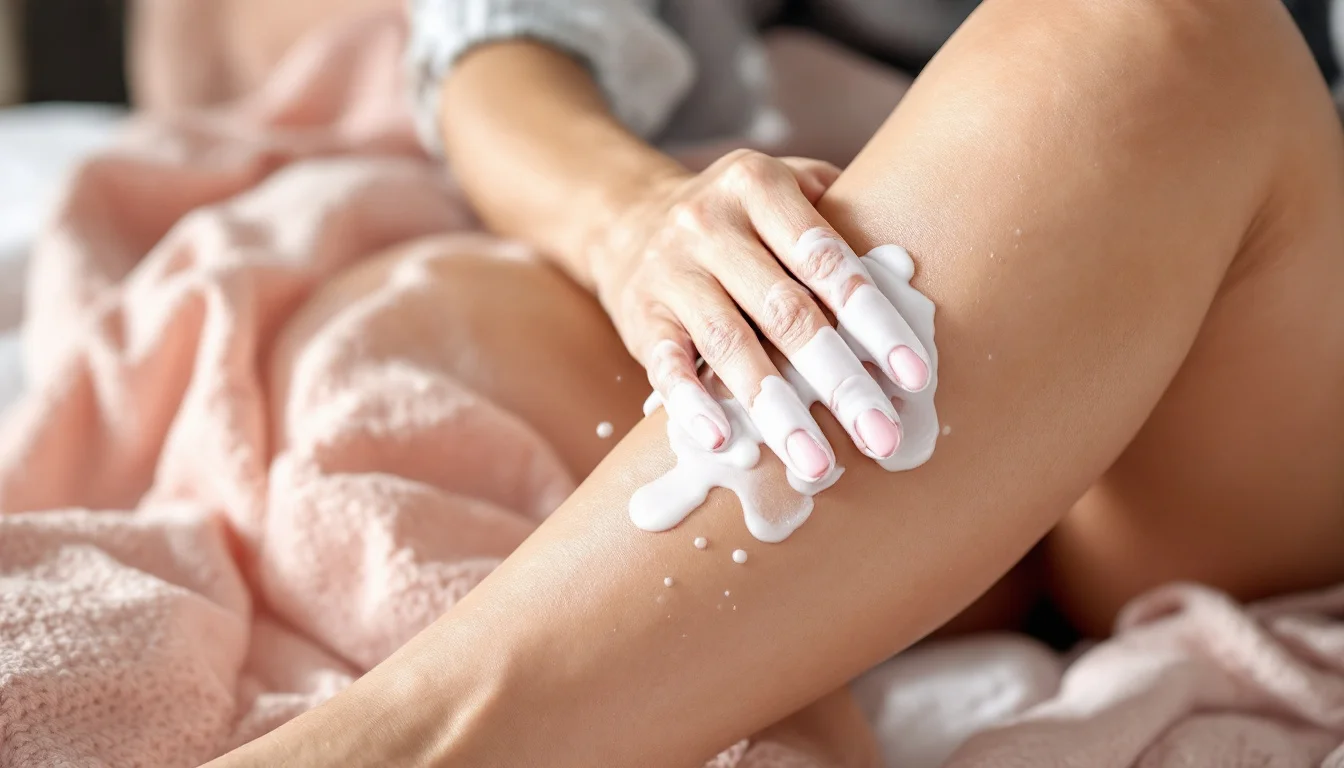
The final step is what guarantees the longevity of your routine. You need to seal in the humectants with a richer occlusive balm or cream, formulated with shea butter, petroleum jelly, or mineral oil. To maximize this restorative effect, the "slugging" technique involves generously layering an occlusive ointment over your evening body lotion to lock in moisture overnight. Ointments are generally considered the richest moisturizing option.
Can You Exfoliate Your Elbows Every Day? Mistakes to Avoid
In the quest for soft skin, impatience often leads to mistakes that immediately restart the cycle of roughness. Our first instinct is often to vigorously scrub the area with an abrasive tool. However, pumice stones and aggressive physical scrubs risk irritating the skin and disrupting the skin barrier instead of permanently reducing roughness. Faced with excessive mechanical abrasion, the area becomes weakened, and its regeneration process can be impaired.
The Trap of Daily Chemical Exfoliation
While the chemical alternative is preferable, it also requires moderation. Daily chemical exfoliation at high concentrations can irritate thick skin and trigger defensive keratinization. It's best to limit powerful exfoliants to one to three uses per week. On the other hand, daily hydrating and sealing pose absolutely no problem.
The Impact of Fragrance
Finally, the very composition of your comfort cosmetics can prove counterproductive. Highly fragranced body lotions, while a sensory delight, can irritate a skin barrier already compromised by dryness and micro-tears, significantly slowing down the overall recovery process.
Managing the Harshness of Winter and the Patience Required
While our joints endure stress all year round, the winter season presents a major additional challenge for the skin barrier. This seasonal shift acts as a double assault: on one hand, cold outdoor air and a drop in atmospheric humidity strip the skin of its natural moisture, and on the other, the dry air generated by indoor heating accelerates transepidermal evaporation.
Faced with this double-front battle, the principles of the routine remain valid, but the final step of occlusive sealing becomes much more strategic. It's wise to switch to a significantly richer balm as soon as temperatures drop. Furthermore, improving a hyperkeratinized area requires diligence and time, as the accumulation of keratin won't simply vanish overnight.
When to See a Dermatologist
Sometimes, cosmetic perseverance just isn't enough. Confusing a dermatological condition with simple friction-induced hyperkeratosis can delay getting the appropriate therapeutic treatment.
Clinical Signs to Watch For
If there is no improvement after six to eight weeks of a disciplined routine, a dermatological consultation is recommended. Additionally, certain signs warrant medical attention:
- The presence of open or bleeding cracks.
- Intense and persistent itching despite regular moisturizing care.
- The appearance of silvery scales or rapidly thickening patches.
- The formation of dark, thick, velvety patches, which can be characteristic of a possible underlying disorder.
Conclusion: Discipline Over Formulation
Taking care of your elbows and knees boils down to more than just buying the most luxurious body balm. When dealing with an epidermis structurally programmed to defend itself against friction by thickening, gentleness and method take precedence over intensity.
By incorporating moderate chemical exfoliation as an essential preliminary step, followed by smart hydration on damp skin and rigorous sealing, you give your skin barrier the tools it truly needs to soften up and stay comfortable in the long run.