Raw or Refined Shea Butter: Which Should You Choose?
The body care world often pits ingredients against each other in simplistic duels, where anything natural is deemed inherently superior. The debate surrounding shea butter perfectly illustrates this phenomenon. Faced with jars labeled "pure" or "processed," many consumers feel forced to pick a side. Yet, the distinction between a raw butter and a refined version is not a question of ethics or a clash of cosmetic good versus evil.
Rather, it's a purely technical tradeoff. On the one hand, unrefined butter retains its original compounds to support the skin barrier. On the other, the refining process prioritizes olfactory neutrality and fluid textures. Understanding the biochemistry of this ingredient allows you to look past the misconceptions and tailor your choice to your skin's actual needs.
Key takeaways
- A common foundation: Regardless of its finish, the ingredient retains a core of oleic and stearic acids with strong occlusive properties.
- The power of unsaponifiables: The raw version maintains a concentration of triterpene alcohols that is highly beneficial for damaged skin.
- The sensory advantage: Refining removes the earthy scent, allowing for the creation of elegant scented lotions.
- The rule of application: As an occlusive, this treatment is best applied to damp skin to lock in moisture.
What is the shared chemistry of shea butter?
Before contrasting the different processing methods, it's important to understand what makes this ingredient an undeniable pillar of modern cosmetology.
Where does its molecular structure come from?
Fundamentally, shea butter is the pressed fat of the nut from the African shea tree, botanically known as Vitellaria paradoxa. According to formulation data from the brand The Element, its lipid composition, which varies by geographical origin, is primarily dominated by oleic and stearic acid.
It is precisely this dual fatty acid profile that dictates its distinct physical behavior. It comes in a solid form at room temperature, making it easy to handle. However, its true strength is revealed upon application, as it softens upon contact with body heat to envelop the skin in a protective lipid film.
Is it suitable for all skin types?
Beyond its melting texture, its skin tolerance profile is what makes it such a widespread base. The brand eos states that shea butter is generally well-tolerated and considered safe for the vast majority of skin types, including sensitive skin—though they still recommend patch-testing the final product, as rare allergic reactions remain possible.
Even reactive skin benefits from this soothing base. Whether calming winter tightness or nourishing parched areas, both the raw and refined ingredients provide structural relief as emollients and occlusives.
Is raw shea butter better for repairing the skin?
Unrefined shea butter represents the ingredient in its most original state. Its main asset lies not only in its base lipids but also in a minor yet precious fraction of its composition that escapes the saponification process.
What does the unsaponifiable fraction contain?
Shea butter contains an unsaponifiable fraction whose proportion varies depending on quality and origin. This proportion remains unusually high for a plant-based fat. This fraction contains highly beneficial compounds, notably triterpene alcohols, phytosterols, and tocopherols (vitamin E).
It is this specific richness that grants raw butter its status as an intense repairing treatment. The brand Tunteya points out that unrefined shea butter keeps its antioxidants, essential fatty acids, and vitamins A, E, and F intact. For areas of the body requiring heavy nutritional support, this complete preservation offers a distinct advantage according to these commercial sources—though independent clinical studies on this specific point remain limited.
How can you identify true raw shea butter?
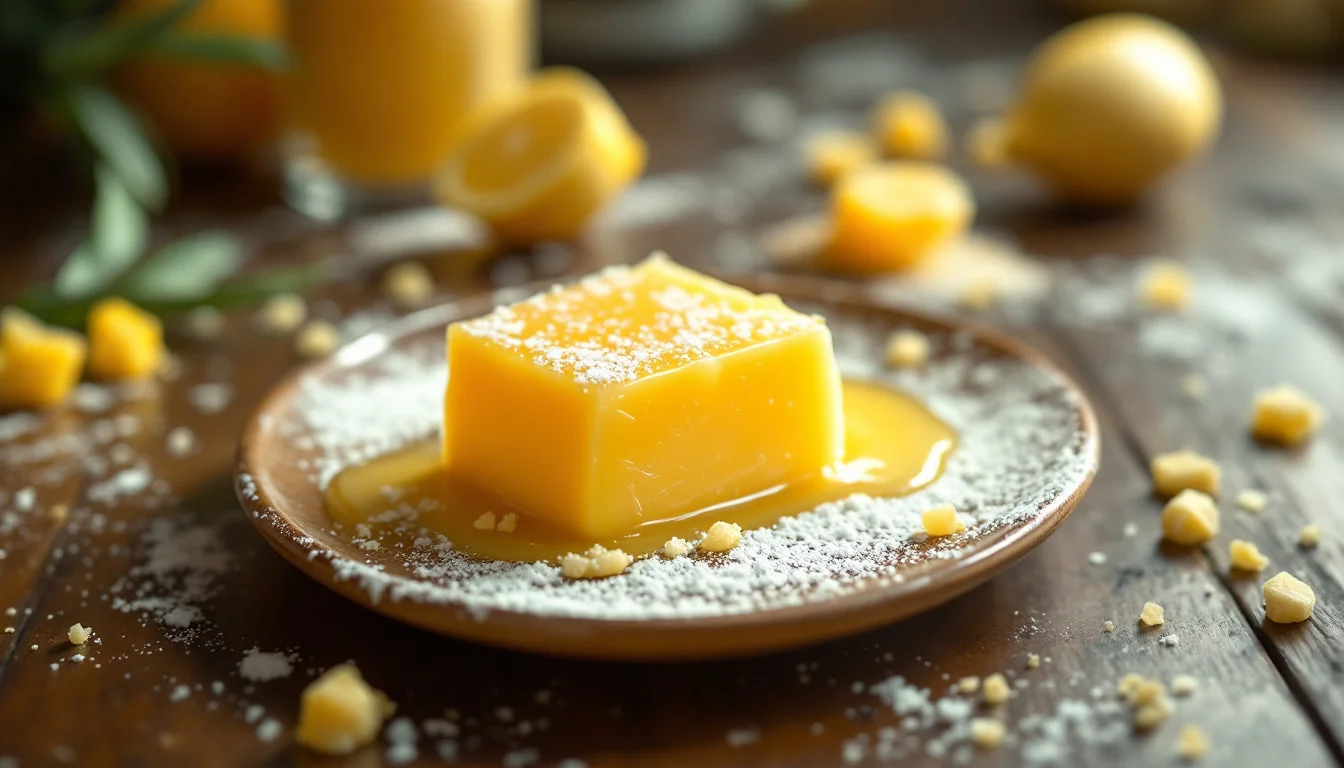
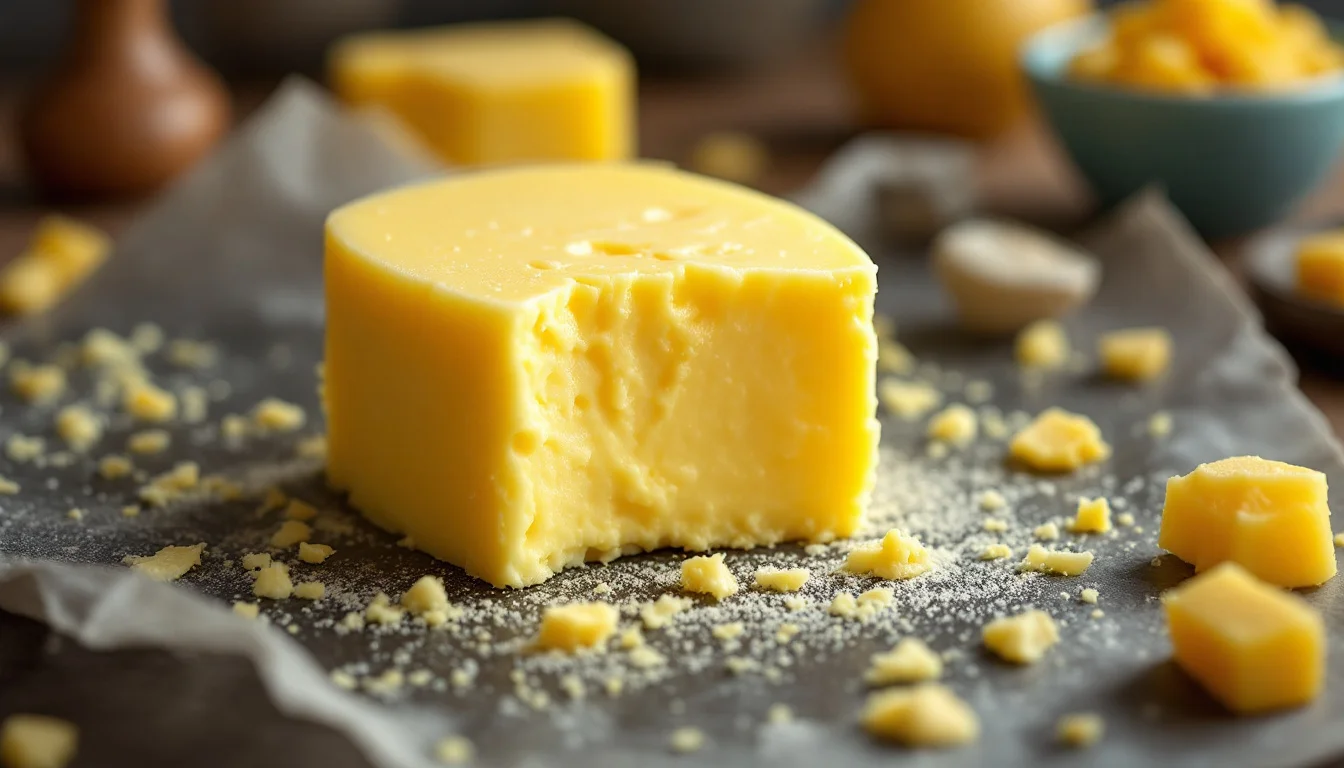
Identifying true raw shea butter requires some attention when shopping. Unrefined shea often features a color ranging from ivory to pale yellow, although this varies considerably depending on geographical origin and extraction method. While a pure white hue might indicate a refined butter stripped of some of its original nutrients, color alone is not an absolute criterion for purity.
You might also encounter butters sporting a much deeper yellow shade. This intense coloring can result from the addition of traditional natural additives, such as borututu root, which enrich the formulation.
What is its characteristic scent?
The sensory experience is the final distinguishing factor. True unrefined shea possesses a characteristic aroma, both earthy and nutty. This raw scent guarantees its integrity. Conversely, refined shea often smells neutral, precisely because it has undergone filtration and deodorization steps.
Why choose refined shea butter?
Faced with the solid nutritional arguments for raw butter, it is tempting to reject the industrial process entirely. Yet, refining meets very concrete formulation requirements that improve the daily user experience.
What does the refining stage involve?
Refined shea butter goes through a rigorous factory transformation. This process is specifically designed to remove its natural color and aroma. In some cases, this intervention even aims to modify its original texture to make it more fluid and easier to integrate into complex emulsions.
Far from being a mere degradation of the product, this treatment meets an essential set of specifications for the industry. It is generally accepted that while raw butter has the edge in skin benefits, the refined version wins when it comes to cosmetic elegance.
Why is it preferred for scented skincare?
The nutty aroma of raw butter, however authentic, can sometimes overpower formulations. Neither version is considered absolutely better: while unrefined shea is prized for its nutrients, refined shea is preferred in scented products because it doesn't compete with the added fragrance.
The technical reason is simple: a high-end body lotion would lose the subtlety of its fragrance if formulated with a high concentration of raw butter. Refining provides an olfactorily neutral canvas, essential for designing skincare where the sensory experience is a top priority.
Is shea butter comedogenic on the face?
When it comes to applying shea butter on the face, brand recommendations can sometimes seem contradictory. This divergence is explained by the nature of the finished product being evaluated (a diluted lotion versus the pure balm) and the target skin type.
Why do opinions differ?
On one hand, shea is often touted as an ingredient with low comedogenic potential, considered gentle enough for daily use on the face as well as the body. This gentleness is highlighted by directly contrasting it with coconut oil, known for its high tendency to clog pores in certain skin types.
On the other hand, this universality should be tempered. Shea is defined as a very rich emollient and occlusive. It falls on the low-to-moderate end of the comedogenic scale, making it much better suited for dry body skin than an oily or acne-prone face.
How should it be applied depending on the area?
Resolving this conflict comes down to the cosmetic format used. The claim of low comedogenicity generally applies to lotions where refined shea is highly diluted and emulsified with water, lightening its lipid weight. In this form, it rarely suffocates the pores.
Conversely, the cautionary advice applies to using pure, raw butter. While this dense paste remarkably softens rough skin on the legs or arms, its richness risks congesting a seborrheic facial epidermis. The choice will therefore depend on the state of your facial skin barrier and the concentration of the balm.
How should you properly apply shea butter?
Possessing a high-quality shea butter doesn't guarantee supple skin if the application method is flawed. The biochemistry of this ingredient calls for a specific protocol.
How does occlusion work?
Fundamentally, shea is a rich occlusive. Its mechanical role is to slow water loss at the skin barrier level. However, it contains no water molecules and does not possess the ability to draw moisture from the surrounding air like a humectant would.
The most common mistake is massaging this dense balm onto completely dry skin. In this scenario, the butter forms a shield on the surface but has no underlying hydration to trap, leaving the epidermis feeling uncomfortable.
Why apply it to damp skin?
To maximize its benefits, it is recommended to apply it to damp skin, ideally in the seconds right after stepping out of the shower. This thin layer of residual water will be sealed by the shea's occlusive effect, helping to limit transepidermal water loss and promote long-lasting suppleness.
Conclusion: How should you adapt your routine?
Choosing between raw butter and a refined version does not require taking a dogmatic stance. Both qualities serve distinct functions within a smart skincare routine. An informed consumer will leverage this duality by relying on the following criteria:
- Pure and unrefined balm: ideal for targeted treatment of extremely parched areas of the body thanks to its restorative compounds.
- Refined lotion: favored for enjoying daily lipid nutrition through elegant, scented skincare.
- Facial application: light emulsions are recommended to limit the lipid weight, while heavy raw butter should be avoided on seborrheic or acne-prone skin.